
Dealing with hornets around your home can be intimidating. These aggressive insects are not only unsettling but also dangerous, as their stings can be painful and, in some cases, life-threatening for those with allergies. If you have ever asked yourself how to get rid of hornets effectively without putting yourself at risk, it is essential to understand their behavior, nesting habits, and safe removal strategies. Learning about hornets in detail gives you the confidence to address the problem without panic and with long-lasting results.
Understanding Hornets and Their Behavior
Hornets belong to the wasp family and are larger and more aggressive than common wasps. They are highly protective of their nests and will attack if they sense a threat nearby. Hornets usually build their nests in sheltered areas such as tree branches, eaves of houses, attics, sheds, and hollow logs. Their nests can grow quickly in size, housing hundreds of hornets, which makes early detection and removal extremely important.
Recognizing their behavior helps in planning safe control methods. Hornets are most active during the daytime, but their activity slows significantly at night, making nighttime the best time for dealing with nests. Unlike honeybees, hornets can sting multiple times, and they release pheromones that alert other hornets to attack, making the situation risky if not handled properly.
Signs of a Hornet Infestation
Identifying hornets early makes a big difference in safe control. If you notice large insects flying in and out of a particular area repeatedly, it may be a sign of a nearby nest. Their nests are papery in texture and can range from the size of a tennis ball to a basketball or larger. Another clear sign is an increase in aggressive behavior, especially when you get near their nest. The sooner you address these signs, the safer it will be to remove the hornets before the colony grows too large.
Why It Is Dangerous to Ignore Hornets
Ignoring a hornet infestation can pose serious risks. Not only do hornets sting aggressively, but they also attack in groups, increasing the danger. Their stings are extremely painful and can cause severe allergic reactions in some individuals. In addition to health risks, hornets can build large nests that damage the structure of your home or outdoor space. Taking action quickly protects your family, pets, and property from harm.
Natural Ways to Get Rid of Hornets
Many people prefer natural solutions to eliminate hornets without resorting to toxic chemicals. A common method is using essential oils such as peppermint oil, which repels hornets effectively. Mixing peppermint oil with water and spraying it around areas where hornets build nests discourages them from returning. Another natural deterrent is planting hornet-repelling plants such as citronella, eucalyptus, and lemongrass near windows, doors, and gardens. These plants help reduce hornet activity in your surroundings.
Homemade traps can also be effective. A simple trap involves cutting a plastic bottle in half, filling the bottom with a mixture of sugar water or fruit juice, and inverting the top half as a funnel. Hornets are attracted to the sweet liquid, enter the bottle, and cannot escape. While this reduces their numbers, it may not be enough for a large nest.
Chemical Treatments for Hornets
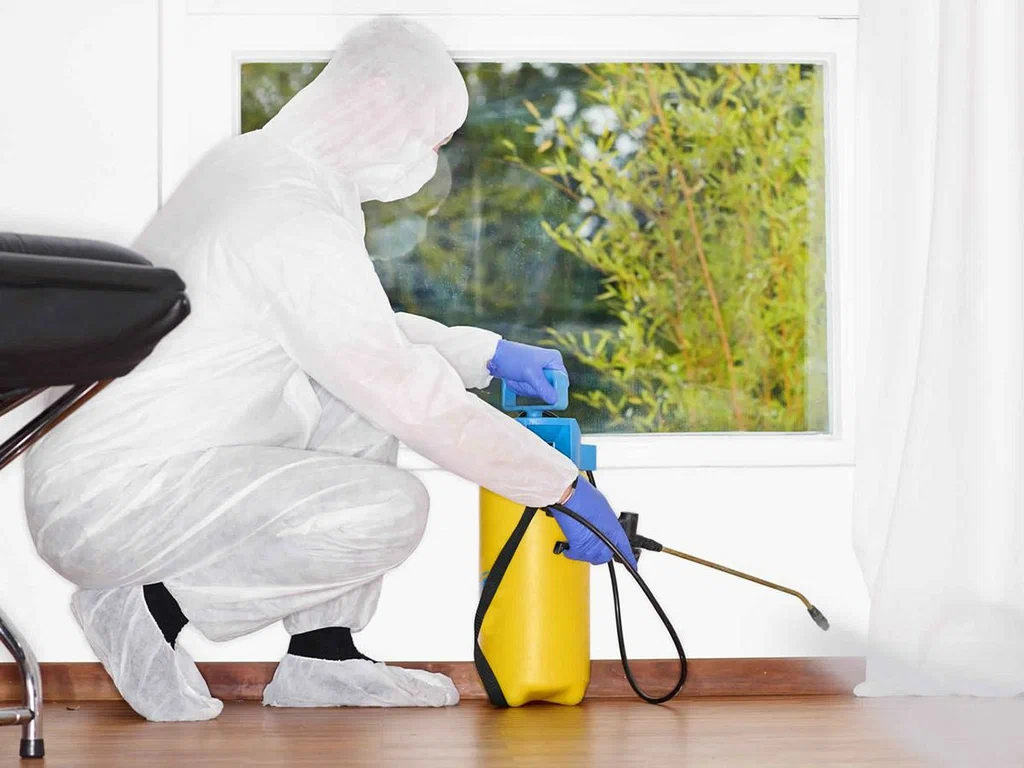
For more severe infestations, chemical sprays specifically designed for wasps and hornets are available. These sprays can reach nests from a safe distance and kill hornets on contact. It is always recommended to use such sprays at night when hornets are less active and to wear protective clothing to avoid stings. After treating the nest, it should be removed carefully to prevent re-infestation.
If you decide to use chemical treatments, follow all safety instructions closely. Improper use can be dangerous to humans, pets, and even beneficial insects. Always keep children and animals away from treated areas until it is safe.
Professional Hornet Removal
In cases where the nest is large, located in a difficult spot, or if you have allergies, contacting professional pest control is the safest option. Trained professionals have the right equipment and expertise to eliminate hornets without putting you at risk. They also ensure complete removal of the nest and use preventive measures to stop hornets from returning. While professional services may be more costly, they guarantee safety and long-term results.
Preventing Future Hornet Infestations
Once you have dealt with hornets, preventing future infestations becomes crucial. Regularly inspect your property for early signs of nests, especially in spring when hornets start building. Seal gaps and cracks in walls, roofs, and attics to limit entry points. Keep food and garbage sealed tightly, as sweet scents attract hornets. Outdoor lights should be kept minimal at night since bright lighting often lures insects.
Maintaining a clean yard also helps. Trim bushes, trees, and shrubs where hornets may find shelter. Installing decoy nests can also be effective, as hornets are territorial and usually avoid areas where another colony is already established.
How to Stay Safe Around Hornets
While trying to get rid of hornets, your safety should come first. Avoid making sudden movements or loud noises near their nests, as this can provoke them. Always wear protective clothing such as long sleeves, gloves, and goggles if you are attempting removal. Most importantly, never attempt to destroy a large nest on your own during the day, as hornets can attack in swarms.
FAQs
How dangerous are hornets compared to wasps?
Hornets are larger, more aggressive, and capable of stinging multiple times. Their stings are more painful than those of common wasps.
What time of day is best to remove hornets?
Nighttime is the safest time to remove hornets because their activity slows, and most of the colony is inside the nest.
Can I use household sprays to kill hornets?
Household sprays are not recommended as they may not be strong enough. Always use sprays specifically designed for hornets.
Do hornets come back after removing a nest?
If the nest is not completely destroyed or if preventive measures are not taken, hornets may rebuild in the same spot.
Should I call a professional for a small hornet nest?
Small nests can sometimes be handled with DIY methods, but if you are allergic or unsure, professional help is the safest option.
Are hornet traps effective?
Traps can reduce the hornet population but may not completely eliminate a colony. They are best used along with other control methods.